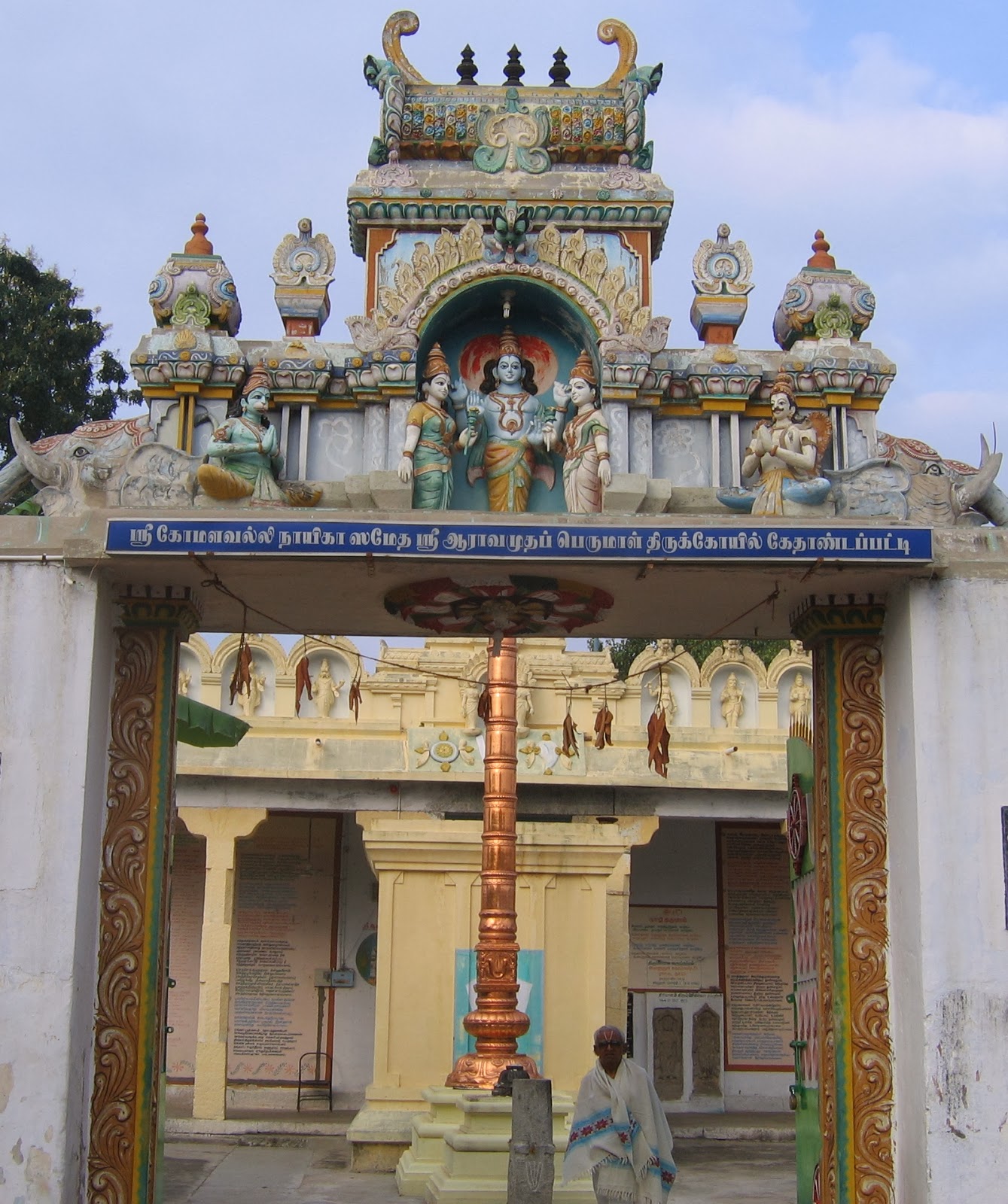
Since the 16th Century
A Sacred Legacy of Five Centuries
ஐந்து நூற்றாண்டுகளின் புனித பாரம்பரியம்
Origins
Sri Aravamudhan Perumal Temple, nestled in the serene village of Kethandapatti (Mel Kudanthai), traces its origins to the early 16th century. According to temple tradition, the deity was established by a devout merchant who received divine guidance through a dream to uncover the sacred vigraha buried beneath a pipal tree.
The Divine Revelation
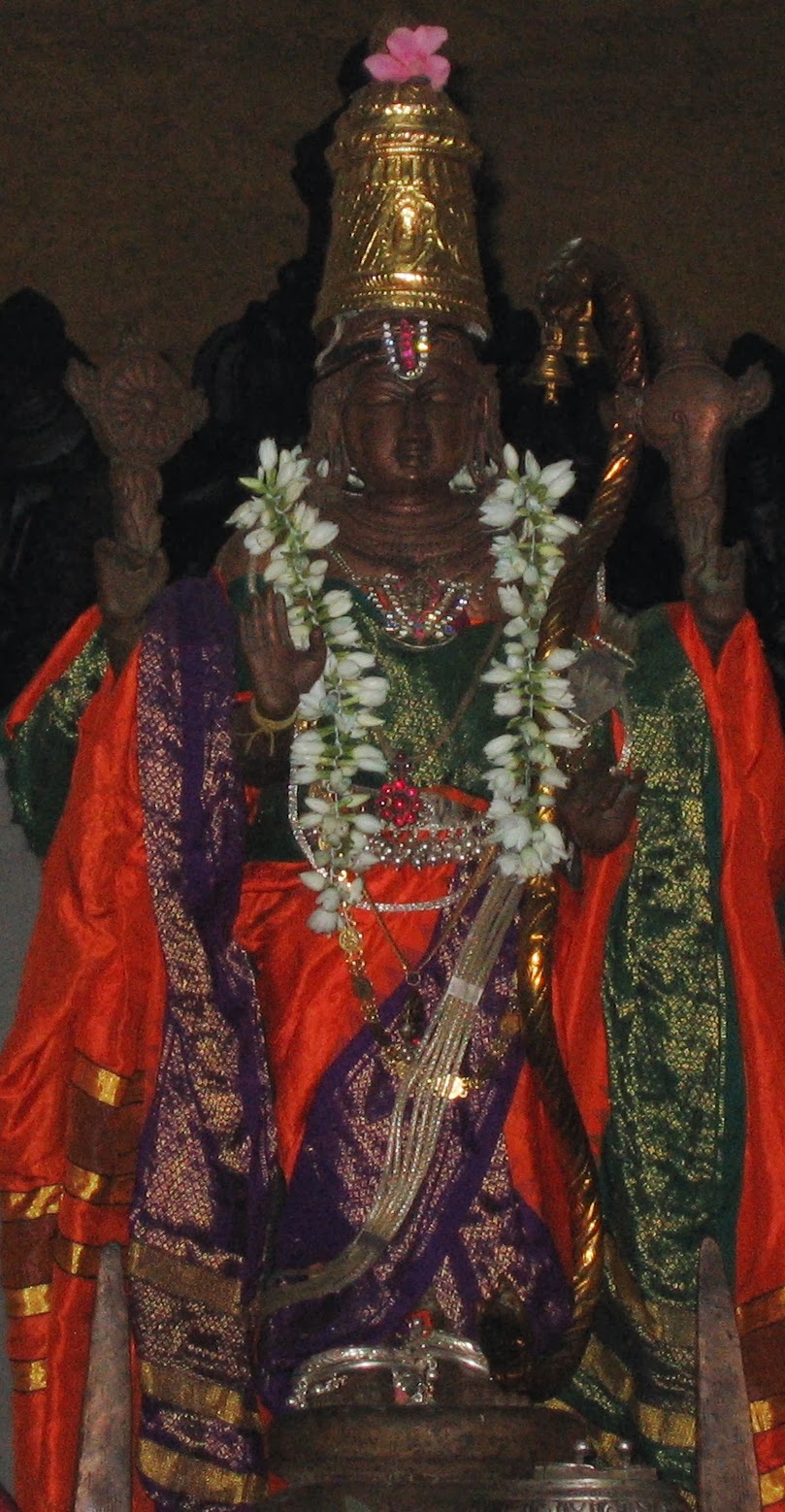
Legend speaks of the merchant’s vision where Lord Vishnu appeared and revealed the location of His self-manifested form. Upon excavation, the beautiful bronze idol of Lord Aravamudhan was discovered, radiating divine grace. The term ‘Aravamudhan’ translates to ‘One who has nectar-like beauty’, perfectly describing the captivating form of the deity.
Patronage and Growth
The temple flourished under the patronage of local chieftains and devotees throughout the Nayak period. The gopuram and mandapams were constructed during the 17th century, showcasing the distinctive Dravidian architectural style. The temple’s fame spread across the region, attracting devotees from Kumbakonam, Thanjavur, and beyond.
Sacred Traditions
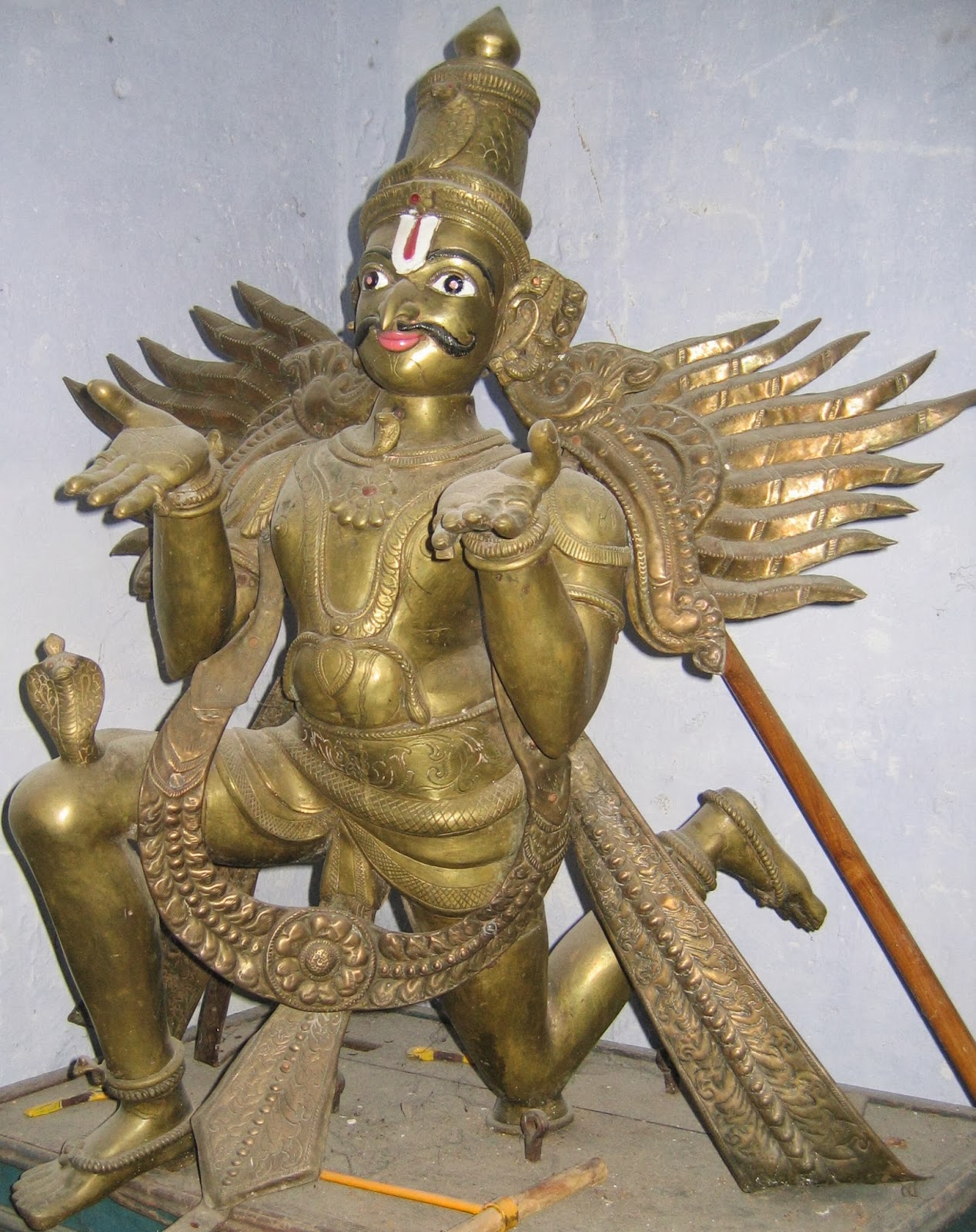
The temple maintains ancient traditions of worship following the Pancharatra Agama. The daily rituals, monthly festivals, and annual Brahmotsavam have been conducted without interruption for over 500 years. The temple is renowned for its Garuda Seva, featuring a magnificent bronze Garuda vahana crafted by skilled Sthapathis.
Modern Era
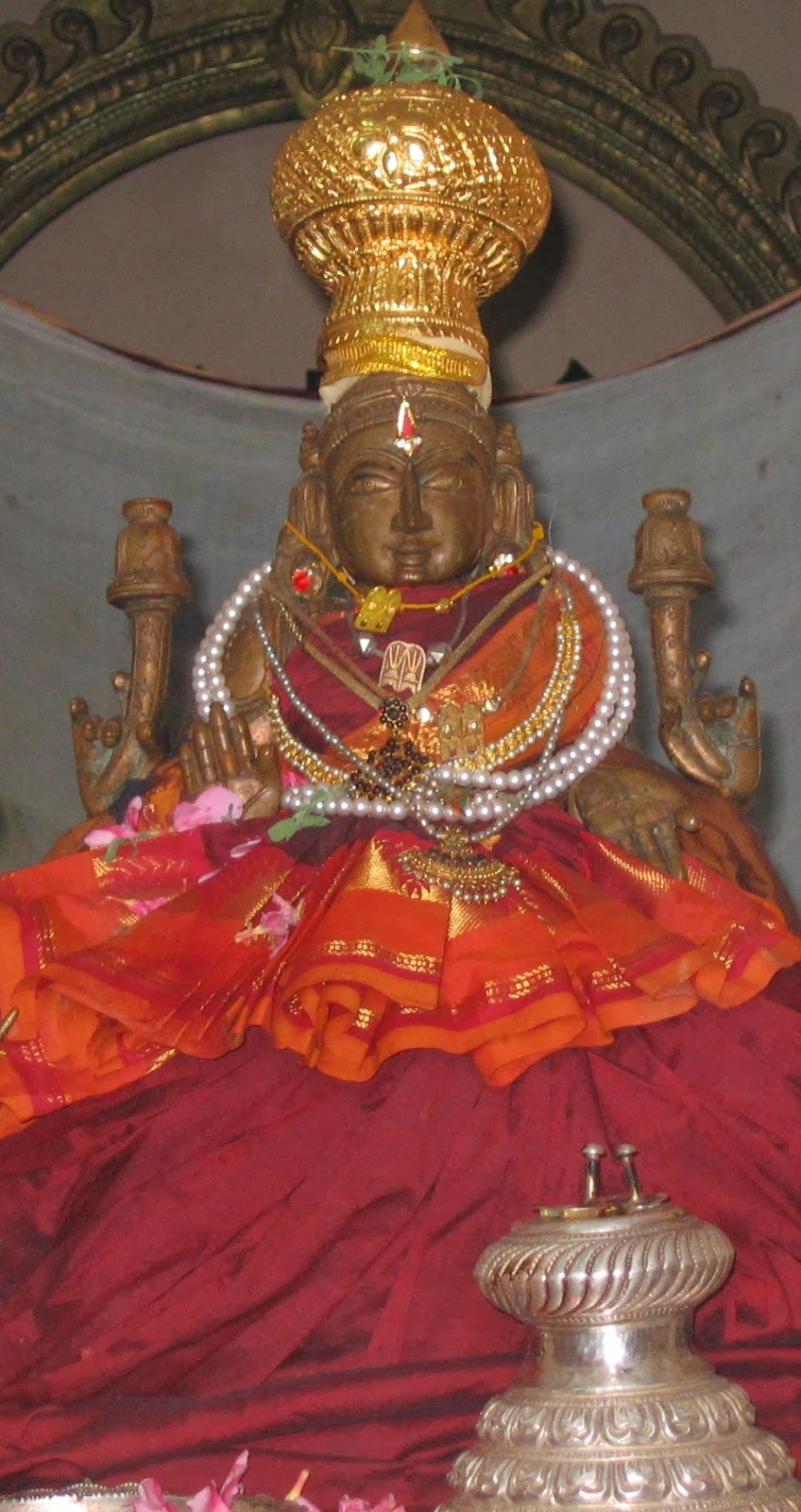
Today, the temple continues to be a beacon of spiritual light for the community. Recent renovations have preserved the ancient structures while providing modern amenities for devotees. The temple serves as a cultural center, hosting Vedic learning programs, traditional music concerts, and community service activities.
Sacred Imagery
Temple Gallery
Where the divine nectar of Vishnu’s grace flows eternally, blessing all who seek His presence with love and devotion.
Ancient temple tradition